
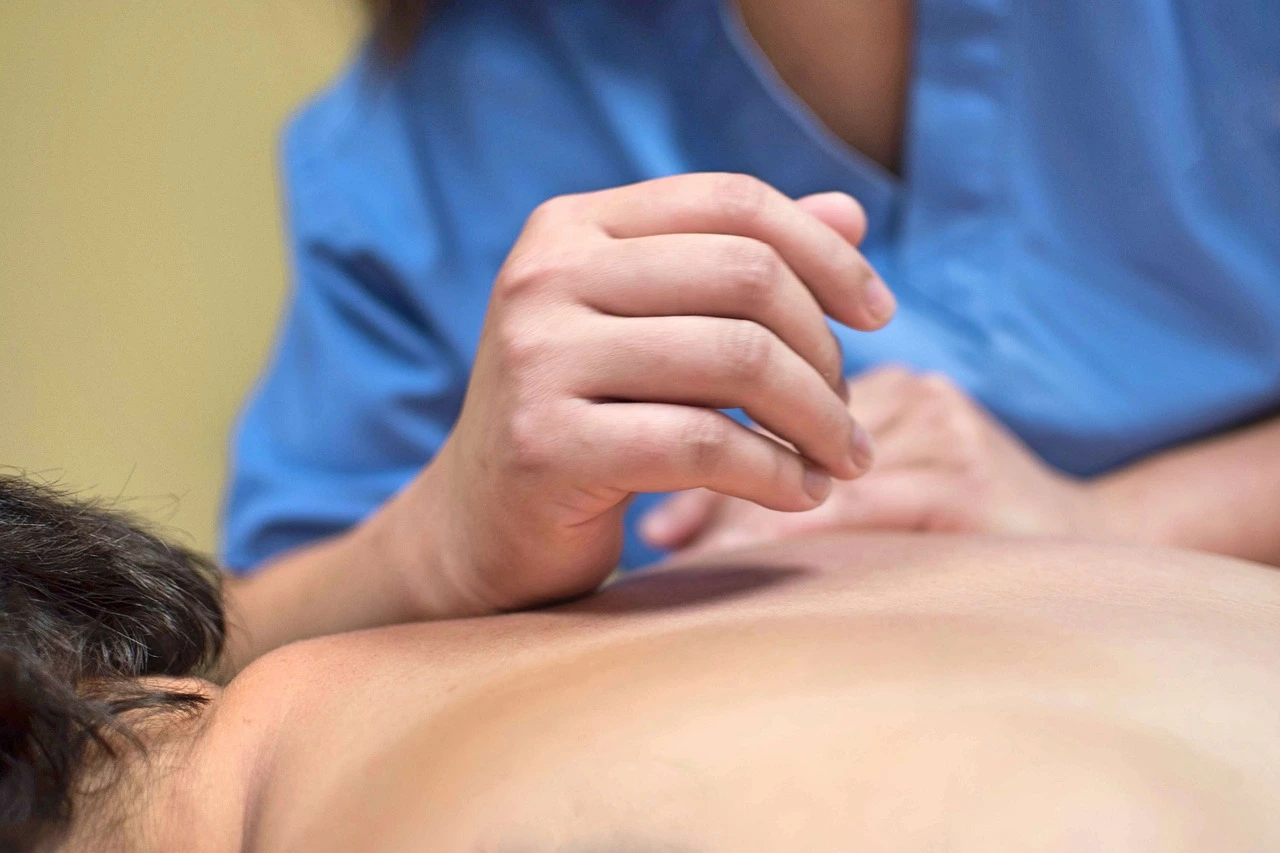
Swedish massage vs Deep Tissue Massage
With stress and tension seeping into every facet of life, the pursuit of holistic health has become not just a luxury but a necessity.
This article revolves around the Swedish touch to the holistic approach of Deep Tissue massage to provide you with insight and guidance to make an informed decision when opting between them.
What is Massage Therapy?
Massage therapy is a therapeutic approach to manage stress and promote overall wellness.
It offers non-pharmacological benefits in healing many medical conditions including alleviating chronic pain, muscle tension, and lower back pains.
It is utilised as a stress-relieving agent. It stimulates the nervous system to promote relaxation and boost the immune system to ward off certain illnesses.
It also contributes to enhancing circulation, promoting joint mobility, and alleviating pains and fatigue related to depression and cancer.
Moreover, different genres of massage such as Swedish massage and deep tissue massage have been acknowledged as natural healing mechanisms. They have been integrated into both physical and mental therapy programs.
What is Swedish Massage?
Swedish massage is the most preferred therapy that focuses on reducing stress, relieving muscle tension, enhancing blood flow, and fostering relaxation.
Originating in the early 19th century as a touch healer, Swedish massage has evolved in recent years as a complementary treatment for various health conditions. It employs mild techniques to promote overall well-being.
Techniques used in Swedish Massage
Swedish massage adopts a series of massage techniques to deliver its potential benefits.
Effleurage:
It is used to warm the muscles at the beginning and soothe them at the end of the session. It involves soft, gliding, or circular strokes to manipulate the muscles and soft tissue. The therapist exerts different degrees of pressure such as feather stroking, superficial effleurage, and deeper effleurage depending on the requirements of the recipient.
Petrissage:
It involves kneading in deeper motion. The therapist compresses the soft tissue rhythmically. Petrissage employs various motions like kneading, wringing, rolling, and lifting to enhance blood circulation, and muscular elasticity. It is the longest technique used in Swedish massage. It is an ideal treatment for muscle injuries.
Taptoment:
The term taptoment refers to drumming or tapping. The therapist taps the muscles repetitively to stimulate blood circulation. This technique also includes actions like hammering, slapping, cupping, and hacking. Endorphins, which aid in relaxation, are produced frequently during taptoment. In addition to helping with lymphatic drainage, it releases muscle tension.
Friction:
This method involves applying pressure on areas prone to tension and rubbing the sore areas in linear or circular motions to soften the muscles and promote joint mobility. This technique is most effective on joints.
Vibration:
This method employs rapid shaking or rocking movements on knotted areas to release tension and promote relaxation. The therapists adopt gentle movements when working on delicate and sensitive areas such as the face.
Benefits of Swedish Massage
The primary goal of Swedish massage is to induce relaxation and promote a sense of well-being.
The whopping number of techniques used in Swedish massage helps in nerve stimulation. The activated nervous system aids in managing chronic pain conditions and discomfort.
Continuous stretching and mobilisation assist in joint flexibility.
Swedish massage has also proven to be effective in boosting the immune system, potentially enhancing the body’s ability to fight against diseases.
In addition, it supports the body’s natural detoxification process by accelerating the blood flow and removing waste.
Apart from the physical impact, the calming effects of Swedish massage help to reduce depression, stress, and anxiety.
What is Deep Tissue Massage?
Deep tissue massage is a therapeutic technique designed to treat musculoskeletal problems including chronic pain, sports injuries, and certain health issues. It incorporates robust motions on deeper layers of muscles and connective tissue to soften and realign them.
Deep tissue massage doesn’t have a singular origin. Though its roots can be traced back to various ancient massage traditions, it got recognition as a prominent modality in the 20th century. Today, it stands as a well-structured and widely practised therapy for deep-seated muscles and overall relaxation.
Techniques used in Deep Tissue Massage
Deep tissue massage exerts vigorous techniques on deep layers of muscle tissue to release the knots.
Sacrum Push:
This technique focuses on applying pressure to the sacrum, a triangle-shaped bone at the base of the spine, to relieve stress and enhance relaxation.
Elbow Push:
This method involves applying pressure on certain body parts such as the neck and shoulders to reduce stress and discomfort.
Knuckle Pressure:
This technique is used to release muscular tension with the application of pressure on several points of the body using the knuckles.
Double Finger Pressure:
This method involves applying pressure with two fingers on certain points on the body including the shoulders and the body including the shoulders and the neck to alleviate pain and release tension.
Myofascial release :
This technique is utilised to soothe the muscles and fad is, and relieve tension.
Cross fibre work:
This technique focuses on manipulating the muscle fibres in a crosswise direction to enhance relaxation.
Friction:
This method is used to loosen the tight muscles in areas prone to tension with the application of friction.
Benefits of Deep Tissue Massage
Deep tissue massage, as its name implies, is equipped to address tension and pain in deep muscle tissues, leading to increased flexibility and subdued pains.
It can be utilised to resolve underlying tension and muscular imbalances to improve posture and body coordination.
Robust techniques employed in deep tissue massage contribute to reducing inflammation, increasing blood circulation, and promoting faster recovery from sports injuries.
It can assist in reducing the intensity of headaches or migraines and improving sleep quality, making it a holistic treatment for depression and anxiety.
It also has shown profound benefits in temporary reduction in blood pressure and promoting cardiovascular health.

Some Misconceptions about Swedish Massage and Deep Tissue Massage
Swedish Massage is a Deep Tissue Massage
While both Swedish and deep tissue massage aim to promote relaxation, they differ in their techniques. Swedish massage typically involves gentler techniques applied to the surfaces of the muscles, while deep tissue massage employs more intense motions targeting the deep layers of muscle and connective tissue.
Swedish Massage Lacks Therapeutic Benefits
Swedish massage can offer numerous therapeutic benefits beyond relaxation. It can accelerate blood flow and aid in various health issues.
Deep Tissue Massage is Painful
While deep tissue massage involves deep pressure, it doesn’t have to be painful. The level of pressure can be modified according to personal preferences.
How can Individuals Navigate the Choice between Swedish and Deep Tissue Massage?
An individual’s demands and requirements should be taken into consideration when opting between Swedish and deep tissue massage. Swedish massage is milder and beginner-friendly therapy while deep tissue massage is a vigorous therapy suitable for specific individuals.
While deep tissue massage employs intense pressure and focuses on releasing deep muscle tension, Swedish massage uses soothing techniques including strokes, kneading, and circular movements to promote relaxation and stimulate circulation.
If you are looking for treatment for chronic muscle pain, deep tissue massage is the best option, while Swedish massage is a popular choice for relaxation. However, communicating your preferences and health concerns with your therapist can bring you the desired result.
How Can You Personalise Your Massage Experience?
- Communicate your needs, areas of pain, and any specific issues you would like your therapist to address during the session.
- Discuss your choice of massage therapy. If you have a preference for both Swedish and deep-tissue massage your therapist can tailor the session to satisfy your requirements.
- Inform your therapist about your preferred level of pressure to avoid discomfort during the massage session.
Conclusion – Swedish massage vs deep tissue massage
The subtle differences between Swedish and deep tissue massage highlight the complexity of massage therapy. Swedish massage which is distinguished by its gentle techniques contrasts with the more robust approach of deep tissue massage. However, both modalities of massage therapy contribute significantly to the well-being of individuals by providing non-invasive and drug-free options for managing pain, improving circulation, and supporting the body’s natural healing mechanisms.


 Pamper Bubbles