
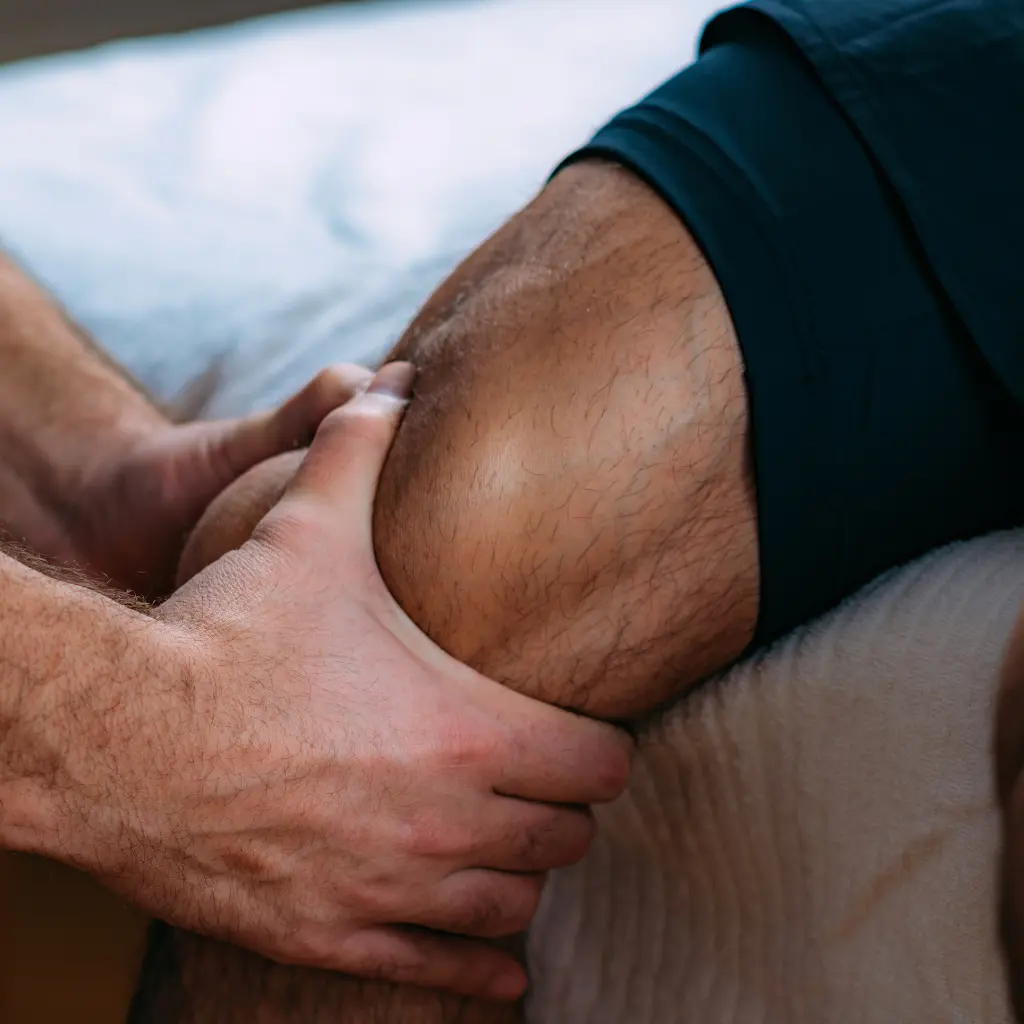
What is Sports Massage? COMPLETE GUIDE
From its origins as an ancient healing practice, massage has undergone a remarkable transformation and has developed into diverse modalities to address various health issues.
Among these modalities, sports massage is considered a standalone solution for the physical and mental challenges posed by the sports arena.
This article aims to give an insight into sports massage and everything that encompasses it.
What is Sports Massage therapy?
Sports Massage is a holistic approach to addressing vulnerabilities of muscles and soft tissues that are caused by strenuous physical activities.
It is an adjunctive program designed with sophisticated methods to help athletes and fitness enthusiasts thrive in their arena.
What is the purpose of Sports Massage?
Sports massage aims to enhance athletic performance by promoting blood flow to the muscles while improving muscle flexibility and reducing muscle tension.
It also effectively aids in alleviating pain and injury rehabilitation by restoring muscle memory using a range of therapeutic techniques.
Why is sports massage therapy popular among athletes and active individuals?
The unique approach and redefined program of sports massage make it a popular option among both athletes and the general audience.
It offers practical benefits that resonate with the demands of athletes. Its profound techniques improve performances by eliminating muscle fatigue and soreness, allowing athletes to get back to their regime with less downtime. Regular sports massages boost blood flow and reduce muscle tension, which helps many athletes feel less sore after hard training.
The numerous mental health offerings of sports massage are another vital reason that makes it a most sought-after therapy. It aids in reducing stress and anxiety, which can be significant when preparing for competitions or adhering to a demanding training plan. It also increases flexibility and mobility, allowing for more freedom of movement and peak performance.
Moreover, its personalised approach can cater to the needs of athletes of all levels. It also offers holistic benefits to nonsports individuals.
How has Sports Massage Evolved?
Sports massage was a recognized touch therapy in early Greek and Roman civilizations. It was a non-invasive treatment given to athletes to help them recover from injuries and perform well on the field. The techniques used were rudimentary but effective.
Sports massage, which saw a major decline in the early 20th century, reemerged in the late 20th century as a structured program. Sophisticated techniques, including deep tissue massage, myofascial release, and trigger point therapy, are now incorporated into sports massage programs. Today, it is a vital component of sports medicine and is integrated into major sports events like the Olympics as part of the athletic care routine.
What are the modern techniques and influences in sports massage?
Sports massage got upgraded from manual touch to electronic touch.
High-tech tools such as foam rollers and massage guns are integrated to complement professional massage. These tools facilitate recovery and maintenance between sessions more efficiently.
Physiotherapy techniques are frequently included in sports massage, with an emphasis on function improvement, muscle rehabilitation, and injury prevention.
Combining nutrition advice with massage therapy is another advancement seen in today’s sports massage. Maintaining a balanced diet and proper hydration can optimise recovery and performance.
What is the difference between a Sports Massage and other Massage modalities?
The therapeutic objectives of sports massage draw a major from other massage modalities. It aims to enhance performance, prevent injuries, and aid in recovery. It is exclusively designed for athletes and fitness enthusiasts, while other massage types aim at providing relaxation, relieving stress, and alleviating specific ailments to the broader audience.
The techniques incorporated in sports massage are another unique element that sets it apart from other massages. It uses proactive methods and tailored approaches to meet the physical demands of its recipients.
Its adaptability is yet another distinctive feature that makes it a standalone option. It can be incorporated into various stages of training and competition. For example, intense muscle-warming techniques may be used in pre-event sessions, while relaxation and recuperation are the main goals of post-event massages.
What are the Benefits of Sports Massage?
Sports massage offers both physiological and psychological advantages to its recipients.
Physiological Benefits of Sports Massage
How does sports massage therapy enhance athletic performance?
Strenuous activity and repetitive workouts can tax the muscle function. It can deplete glycogen stores in muscles, and cause micro-tears in muscle fibres which can lead to muscle fatigue, pain, swelling, and reduced muscle function, eventually resulting in restricted performance.
Sports massage deals with these issues to enhance performance. It reduces muscle fatigue and improves motion while promoting blood circulation and lymphatic flow.
How does sports massage improve flexibility and range of motion?
Sports massage involves intense techniques such as deep tissue massage, stretching, and kneading which focus on reducing muscle tension and breaking down adhesions and scar tissues. This synergy helps improve flexibility and range of motion.
How does sports massage provide relief from muscle tension and pain?
Sports massage can reduce the presence of inflammatory indicators like cytokines in muscle tissue. This anti-inflammatory impact helps decrease pain and swelling in the muscles, leading to overall muscle healing.
It stimulates sensory nerve endings and can regulate the nervous system’s reaction to pain and stress. This modulation can minimise muscle spasms and promote a more relaxed muscle state relieved from tension and pain.
How does sports massage improve circulation and lymphatic flow?
Sports massage techniques activate blood vessels, which increases blood flow to the muscles. This increased circulation transports oxygen and critical nutrients to muscle tissues while also removing metabolic wastes such as lactic acid, which can cause pain and exhaustion.
Psychological Benefits of Sports Massage
Sports massage stimulates the release of endorphins and serotonin, which are the body’s natural pain-relieving compounds. These neurochemicals interact with receptors in the brain to reduce pain perception and promote feelings of well-being and relaxation.
Why is understanding the benefits of sports massage important for athletes and active individuals?
Having a sound knowledge of Sports massage is the foremost important factor as it can have a direct impact on the performance, rehabilitation, and overall well-being of the recipients. Sports massage is designed especially to meet the needs of persons who participate in regular physical activity, with an emphasis on muscular health, flexibility, and injury prevention. One of the key benefits is improved circulation, which helps transport more oxygen and nutrients to the muscles, minimising recovery time and weariness.
Furthermore, sports massage helps relieve muscle tension and trigger points to allow athletes to operate at a higher level without suffering from discomfort or pain. It also contributes significantly to injury prevention by recognising and resolving possible issues before they become serious problems. Sports massage also improves mental health by reducing tension and encouraging relaxation, which is necessary for maintaining attention and motivation. Overall, having a thorough awareness of these benefits allows athletes and active people to properly incorporate sports massage into their routines, maximising their physical talents and improving their long-term health.
Types of Sports Massages and Their Benefits?
Pre-Event Massage: This type of massage is administered to invigorate and warm up the muscles before a workout or athletic performance. It focuses on improving blood flow and accelerating the delivery of oxygen and necessary nutrients to the muscles to enhance their efficiency and readiness. Furthermore, it seeks to alleviate muscle tension and stiffness and improve flexibility and range of motion. This is essential for peak performance since it allows for smoother and more efficient motions while preventing injuries during high-intensity exercises by addressing minor muscle stiffness and potential strain points.
Post-Event Massage: It is employed to aid in the recovery process after a heavy workout or competition. It focuses on reducing muscle soreness and stiffness by increasing circulation, which aids in the removal of metabolic waste products such as lactic acid. It also reduces muscular tension and prevents the production of adhesions and scar tissue, which can impair future performance and flexibility. Beyond the physical effects, post-event massage also adds to mental relaxation, lowering stress and generating a sense of well-being.
Maintenance Massage: This type of massage is integrated into the wellness program of athletes to keep their muscles in optimal condition and prevent injuries. Maintenance massage often deals with minor muscle issues to prevent them from developing into major problems. It is scheduled regularly aiming to maintain peak physical performance, prevent injuries and promote long-term athletic wellness.
How often do you get a Sports Massage?
Why is the frequency of sports massage important for athletes and active individuals?
Athletic wellness, maintaining muscle health and improving performances evolve around the efficacy of massage therapy. Regular massage sessions ensure that the muscles remain flexible, free of adhesion and capable of peak performance. Frequent massage therapy aids in the early detection and treatment of minor muscular strains and stress, preventing these issues from progressing to more significant ailments that could sideline an athlete for extended periods. Furthermore, regular massages improve circulation, which speeds up recovery by providing vital nutrients to muscle tissues and eliminating metabolic waste.
What role do specific sports and activities play in determining massage frequency?
Different sports exert different demands on the body, which influences how frequently an athlete may need massage therapy. High-intensity and high-impact sports, such as football, rugby, and track and field, may require more regular massages due to the severe strain and risk of muscle damage and injury. Athletes in these activities may benefit from repeated weekly workouts to control muscle exhaustion, minimise discomfort, and accelerate recovery.
Swimming, cycling, and yoga, on the other hand, may necessitate fewer massages, to maintain mobility, minimising overuse injuries, and aid in recovery. The individual muscle regions and movements involved in a sport may influence massage frequency; for example, runners may require regular care to their legs and lower back, whereas tennis players may require targeted work on their shoulders and arms.
How often should recreational athletes receive sports massages?
Recreational athletes should get a sports massage every two to four weeks, depending on the intensity and frequency of their activity. A bi-weekly massage can help manage muscle tension, improve flexibility, and prevent minor difficulties from escalating into injuries for those who exercise regularly or participate in sports a few times per week. This frequency enables appropriate rehabilitation, improves circulation, and maintains muscular health.
However, during periods of high activity, such as practising for an event or participating in a sports league, weekly massage sessions are ideal to manage the increased physical demands. During less busy seasons, a monthly massage may be enough to keep the muscles in good condition and promote general physical well-being.
What are the typical recommendations for athletes in high-intensity training programs?
It is crucial for athletes engaging in high-intensity training programs to receive sports massages every week. Adapting to this frequency can improve blood circulation, which speeds up recovery by supplying important nutrients to the muscles and eliminating metabolic waste products. They also contribute to maintaining flexibility, minimising muscle stress, and preventing injuries by addressing small muscle disorders before they get worse.
What frequency is suggested for individuals recovering from injuries?
Individuals suffering from injuries are often advised to have sports massages more regularly, typically two to three times per week at first, depending on the severity of their condition. This increased frequency aids in pain management, and inflammation reduction, and promotes faster healing of afflicted tissues. Regular massages in the early stages of healing can improve blood flow to the wounded areas and supply critical nutrients and oxygen that are crucial for tissue repair.
As the individual’s rehabilitation proceeds, the frequency of massages can be gradually reduced to once a week or biweekly, to maintain flexibility, reduce scar tistion, and enhance the full range of motion.
What are the benefits of a tailored sports massage treatment plan?
Tailored sports massage treatments facilitate personalised care that can cater to the diverse needs of athletes and active individuals. A personalised approach helps avoid injuries by identifying and addressing small muscular tensions and imbalances before they evolve into more serious problems.
Through customised plans, therapists can improve recovery times by utilising strategies that are best suited to the individual’s body and the nature of their physical activities.
Another significant advantage is the ability to adapt the treatment plan based on the athlete’s evolving demands, whether they are in a high-intensity training phase, preparing for an event, or recovering from an injury. This adaptability enables the incorporation of a variety of massage techniques, including deep tissue, trigger point therapy, and relaxation massages for broader holistic care.
Does sports massage improve performance?
Sports massage is a top-tier massage type designed to cater to the physiological and psychological needs of athletes and fitness devotees. It targets the blockages in the body to accelerate the blood flow and nutrient distribution to the muscle fibres and scar tissues. By improving circulation, sports massage aims to release muscle knots, prevent injuries and improve flexibility, which collectively contributes to optimal performance.
Additionally, the relaxation and stress relief rendered by sports massage can help improve an athlete’s mental focus and lessen anxiety, which is essential for peak performance.
What specific techniques are employed to target performance enhancement?
Can a Sports Massage Help Sciatica?
Sciatica radiates pain along the sciatic nerve from the lower back to the legs, which can have a substantial impact on athletic performance. It generates discomfort, decreased mobility, and muscular weakening. This condition can impair an athlete’s ability to perform at their peak since the discomfort and nerve irritation limit their range of motion, reduce strength, and make it harder to execute the exact movements required for their sport.
Sports massage can be an effective treatment for sciatica. It involves focusing on the afflicted muscles, particularly those in the lower back, glutes, and legs, to reduce tension and increase circulation. This reduces inflammation and relieves strain on the sciatic nerve. Furthermore, sports massage encourages the release of endorphins, which are natural pain relievers, to aid in pain management.
Benefits of Sports Massage for Sciatica?
Sports massage precisely targets the muscles around the sciatic nerve, to help release muscle tension and lessen pressure on the nerve, which is critical for pain alleviation.
The deep tissue techniques utilised in sports massage assist in breaking down adhesions and scar tissue that might lead to nerve impingement, thereby promoting flexibility and range of motion.
It also helps in distributing blood, oxygen and sufficient nutrients to the affected areas.
Moreover, Regular sports massage treatments assist in long-term rehabilitation by preventing the recurrence of muscle tension and imbalances that might aggravate sciatica.
How to adopt sports massage therapy for Sciatica patients?
A thorough assessment of the patient’s medical history is essential before starting any massage treatments.
The patient’s preferences and needs should be clearly communicated with the therapist.
A tailored massage treatment based on the patient’s sciatic condition and requirements should be adopted.
Techniques that are efficient in alleviating pain and other vulnerabilities of sciatica should be employed.
Special attention should be given to the areas affected by sciatica, especially to the piriformis muscle, which is often involved in sciatic nerve conditions.
Regular massage sessions should be scheduled and massage treatment should be adjusted according to the patient’s progression.
Is Sports Massage good for lower back pain?
Lower back pain can severely affect performance by limiting an individual’s range of motion, decreasing strength, and producing discomfort or pain during physical activity.
Lower back pain can make it harder for athletes to perform critical motions while decreasing overall performance and raising the risk of additional damage. Constant discomfort might disrupt concentration and mental focus, further contributing to reduced performance outcomes.
Sports massage is a highly effective treatment for lower back discomfort. It provides both immediate relief and long-term benefits. It focuses on the muscles and soft tissues in the lower back and helps to relieve tension, reduce inflammation, and enhance blood circulation. Sports massage improves flexibility and range of motion by breaking down adhesions and scar tissue, which are essential for maintaining performance.
Can you Exercise after a Sports Massage?
Exercising after a sports massage can be beneficial. However, it depends on the massage intensity and the individual’s specific demands.
A sports massage seeks to reduce muscle tension, increase circulation, and promote recovery, thereby preparing the body for physical activity. If the massage is light to moderate, engaging in gentle exercise or stretching following the massage therapy can manifest the effects of the massage by keeping the muscles relaxed and increasing blood flow.
If the massage is deep and vigorous, it is normally recommended to take some time to recover before engaging in strenuous exercise. This is because deep tissue training can induce muscle discomfort and inflammation as they need time to repair and respond.
However, it is important to listen to your body or consult with the therapist before engaging in any sort of exercise.
Does a Sports Massage hurt?
A sports massage can be uncomfortable or even painful at times, especially if it includes techniques such as deep tissue massage that targets specific muscular tightness, knots, or adhesions. This discomfort comes when the massage therapist uses forceful pressure to break down scar tissue and release muscle tightness, which can produce temporary soreness.
However, the intensity of the massage is normally adjusted to each individual’s pain threshold and tolerance level.
Why Are people hesitant to try sports massage?
People are sceptical about trying sports massage for various reasons.
They perceive sports massage as a painful treatment designed only for athletes. This prevents them from seeking out the myriad benefits rendered by sports massage.
Some people prefer physical therapy, chiropractic care, or medicine to manage pain and muscle concerns, and sports massage may not be their first choice.
Sports massage in most cases, is a programmed approach involving many sessions. Scheduling and attending regular sessions can be challenging for individuals with busy schedules.
Some people are uncomfortable with the physical intimacy inherent in sports massage. The prospect of undressing and being touched by a therapist may make them feel anxious and hesitant.
Sports massages can cost an arm and a leg, and not everyone considers them a necessary expense. The expense could be a substantial obstacle, especially if regular treatments are recommended for best results.
Is discomfort during a Sports Massage normal?
Some discomfort during a sports massage is normal and can be anticipated, especially when deep tissue methods are utilised to target specific muscular tightness, knots, or adhesions. A sports massage is intended to relieve muscle tension, enhance flexibility, and promote recovery, which frequently entails applying forceful pressure to break down scar tissue and release muscle tightness. This can cause momentary soreness or discomfort during the treatment and sometimes for a short time afterwards. However, this discomfort is often bearable and indicates that the therapy is adequately addressing problem regions.
Individuals need to communicate with their therapists whenever the applied technique exerts any sort of discomfort. A skilled therapist will adjust their style to suit the comfort of the receiver.
How can individuals distinguish between beneficial discomfort and harmful pain?
Individuals can differentiate between good discomfort and harmful pain during a sports massage by paying close attention to the nature and intensity of the sensations they encounter.
Beneficial discomfort is often characterised by a deep, yet manageable pressure that may cause temporary soreness and may not seem overwhelming or uncomfortable. This type of discomfort is common after the release of muscle knots or tension, and it can lead to a sensation of relaxation after the pressure is removed.
Harmful pain is typically sharp and severe. It may prompt a strong, intuitive reaction to pull away or stop the massage. This type of pain may signal that the pressure is too high, that a sensitive area is being irritated, or that an underlying problem needs medical treatment. If such pain is overlooked, it can cause bruising, inflammation, or subsequent injury.
How much is a Sports Massage?
Sports massage can be expensive due to several factors including the expertise and qualification of the therapists, the length of the session and tailored approaches.
But at Pamper Bubbles Mobile Massage, we offer sports massage with top tier services at a reasonable price. Our packages are cost effective and can be affordable.
Conclusion
Sports massage is a type of massage therapy that is tailored to meet the specific needs of athletes and active people. It focuses on reducing muscle stress, preventing injuries, increasing flexibility, and speeding up recovery. Sports massage efficiently targets parts of the body that are prone to stress and strain from physical activity using a variety of techniques such as deep tissue manipulation and trigger point therapy. Despite the fact that it might be uncomfortable at times, frequent sports massage has been shown to boost performance, reduce pain, and improve overall health. Whether for elite athletes or regular exercisers, sports massage remains as an effective tool in maintaining maximum physical condition and preventing long-term injuries.


 Pamper Bubbles